Sustainable Real Estate: The Green Premium.
Assessing energy ratings, regulatory compliance, and the economics of structural retrofitting.
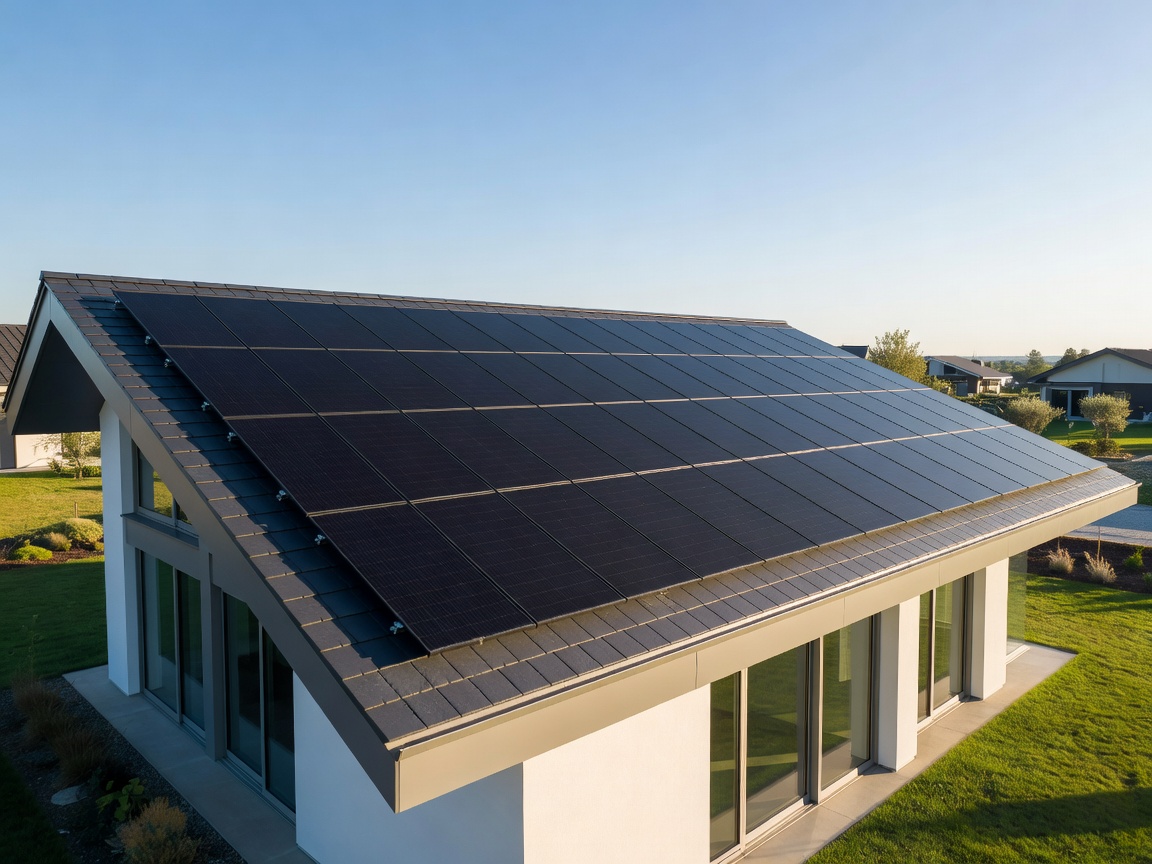
Sustainability in real estate has transitioned from a fringe architectural interest to a core financial imperative. Driven by stringent government regulations regarding carbon emissions and a shift in consumer demand, the energy efficiency of a property now directly impacts its liquidity, yield, and terminal valuation.
1. The Green Premium vs. The Brown Discount
The market is rapidly bifurcating into compliant, energy-efficient stock and obsolete, carbon-intensive stock.
- The Green Premium: Properties that boast top-tier energy performance certificates (EPCs), integrated renewable energy systems (such as photovoltaics or air-source heat pumps), and high-grade insulation command a valuation premium. Buyers are willing to pay upfront for the certainty of lower long-term operational costs.
- The Brown Discount: Older properties with poor thermal retention and reliance on fossil fuel heating are suffering a measurable discount. Lenders view these assets as elevated risk, and buyers mathematically deduct the expected capital expenditure required to bring the asset up to modern regulatory standards from their offer prices.
2. Regulatory Pressures and Stranded Assets
Governments globally are mandating minimum energy efficiency standards for both commercial and residential real estate. In many jurisdictions, it is becoming illegal to lease out a property that falls below specific energy rating thresholds. This regulatory tightening introduces the concept of the "stranded asset"—a property that cannot be legally monetized without prohibitive capital expenditure.
Investors must conduct rigorous audits of potential acquisitions to forecast future compliance costs. Purchasing a high-yield but poorly insulated Victorian terrace may look mathematically sound in year one, but regulatory enforced retrofitting in year five could wipe out a decade of net profit.
3. The Economics of Retrofitting
Upgrading existing housing stock is notoriously complex. The economics of retrofitting must be calculated on a payback-period basis.
Deep retrofits—which might involve external wall insulation, underfloor heating networks, and mechanical ventilation with heat recovery (MVHR)—are capital intensive. While they drastically reduce energy consumption, the financial payback purely via saved energy bills can take decades. The true return on investment is realized at the point of sale or refinancing, where the newly achieved "Green Premium" enhances the asset's capital value and unlocks access to preferential "green mortgage" lending rates.
4. Future-Proofing Acquisitions
Prudent market participants are pivoting their acquisition criteria. Assessing natural light orientation, roof suitability for solar arrays, and the structural feasibility of removing gas infrastructure are now standard due diligence steps.
Real estate is a long-term asset class. Assets that align with the macroeconomic push toward net-zero emissions will preserve capital; those that resist it will experience accelerated depreciation.